
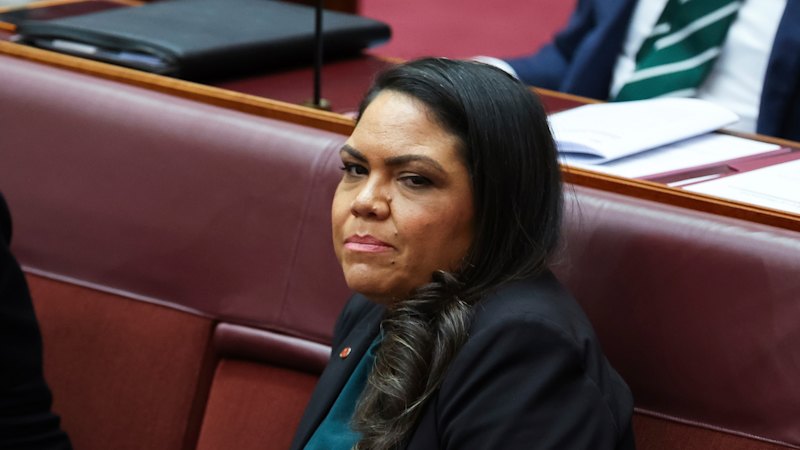
The political landscape in Australia, particularly across the state of `NSW` and on a `national` level, is currently grappling with the fallout from Senator Jacinta Nampijinpa Price's recent comments regarding Indian `migrants`. Described as 'frankly dishonest' by critics, these claims have not only ignited a fierce debate but also revealed deep fissures within the Liberal Party itself. Such rhetoric, when untethered from verifiable facts, carries the potential to sow widespread division and undermine the very fabric of Australia's multicultural society, highlighting a concerning lack of boundaries in contemporary political discourse.
The essence of the controversy lies in the nature of the allegations made against a specific group of `migrants`. When public figures employ language that casts doubt or aspersions without substantial evidence, it risks legitimising prejudice and fostering an environment of mistrust. This approach diverts attention from genuine policy discussions and instead, amplifies anxieties by targeting communities that contribute significantly to the nation’s social and economic tapestry. It compels us to question the motivations behind such statements and their broader implications for public perception.
Within the political arena, the reverberations are profound. Reports of 'division bells' ringing within the Liberal Party underscore the internal conflict generated by Senator Price's remarks. Such internal strife can weaken a party's cohesion and public standing, especially when it concerns fundamental values of inclusivity and fairness. For a party aiming for `national` leadership, presenting a united front that respects all communities is paramount, and any perceived deviation can alienate key demographics and erode trust among constituents, particularly in diverse electorates across `NSW`.
Beyond the immediate political skirmishes, the real casualty here is often social cohesion. When `migrants` become the subject of baseless claims, it can create a hostile environment, making it harder for individuals to integrate and thrive. Leaders have a moral obligation to foster unity, not division, and to ensure that public discourse is conducted with integrity and respect. The challenge lies in distinguishing between legitimate policy debates about immigration and rhetoric that verges on xenophobia, which ultimately harms the collective well-being of the `national` community.
Ultimately, this episode serves as a critical reminder of the immense power of words in public office. The impact of political statements extends far beyond headlines, influencing social harmony and the perception of entire communities. Moving forward, it is imperative for all political actors to uphold standards of truthfulness and responsibility, ensuring that discussions about `migrants` and immigration are grounded in fact and conducted with a commitment to building a stronger, more inclusive `national` identity, rather than tearing it apart through divisive claims.


0 Comments